An ideal pair of sunglasses must meet the following requirements:
- Filter out at least 96% of ultraviolet rays;
- The color intensity of the left and right lenses should be even, and the difference should not exceed 5%;
- There should be no distortion when viewing objects through the lenses;
- They should be lightweight and comfortable to wear, with eyelashes not touching the lenses, and they should not be easily broken.
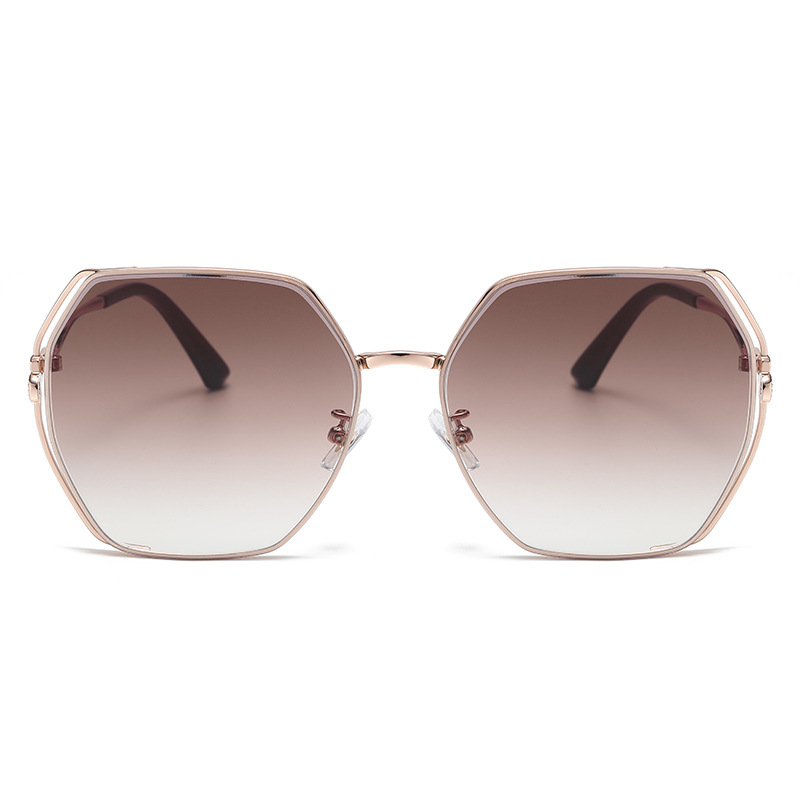 Sunglass lenses can be classified into the following types according to the material:
- PC lenses: They are tough, not easy to break, and impact-resistant. They are the lens materials specifically designated for sports glasses and are priced a bit higher than acrylic lenses.
How to distinguish PC lenses?
When you take the lenses off and look at the cross-section of the lenses, you will see small particles one by one. - Glass lenses: Their clarity is slightly higher than that of resin lenses and they are not easy to wear out. However, they are relatively heavy and the material is fragile (even if it is tempered glass). In addition, their ability to absorb ultraviolet rays is relatively weak (unless they have undergone special processing).
Ray-Ban sunglasses usually have glass lenses. - Resin lenses: Resin is a chemical substance with a phenolic aldehyde structure. It is characterized by being lightweight, able to withstand high temperatures (even a lighter can't burn through it), having strong impact resistance, and being able to effectively block ultraviolet rays.
Most of the sunglasses on the market have resin lenses. - Nylon lenses: They are a type of synthetic fiber. They have very high elasticity, excellent optical quality, and strong impact resistance, and are usually used as protective items. Secondly, they have outstanding chemical resistance, are suitable for plate frames, are ultra-lightweight, and are not easy to crack (at the drilled parts of frameless glasses). They have good optical performance, 100% UV protection, rich colors, and are currently the best lenses on the market.
Currently, most of the sunglasses of Bolon are nylon lenses. - AC lenses: That is, acrylic lenses. They have excellent toughness, are lightweight, have a very high transparency rate, and have good anti-fog properties. However, these lenses are not scratch-resistant and are particularly easy to be scratched.
- Polarized lenses: Their characteristic is that they only accept light from one direction and block light from other directions. They utilize the principle of blinds to filter out 杂光 (stray light) and make our vision clearer and more comfortable. They are more suitable for outdoor activities such as driving and fishing.
- Photochromic lenses: Photochromic lenses are also called "photosensitive lenses" by some people. Currently, the mainstream ones are resin photochromic lenses. Chemical substances such as spiropyran are added to acrylic resin lenses, so that the originally transparent and colorless lenses will turn into colored lenses when exposed to strong light for protection. Therefore, they are suitable for both indoor and outdoor use.
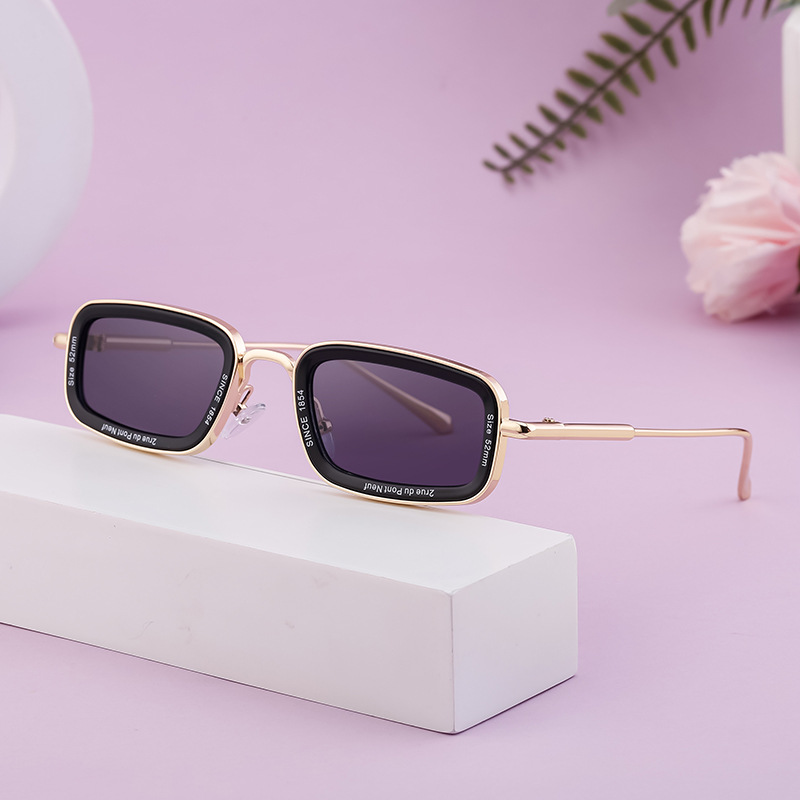
Several major factors that determine the price of sunglasses:
- Brand premium: It takes many years of accumulation and continuous advertising investment for each brand to be widely recognized, and this part of the investment will inevitably be converted into a part of the price. Especially in a completely competitive industry like the eyewear industry, for each brand, the most expensive operating expense at present is the promotion expense.
- Design: Every brand that intends to grow big will invest a lot in originality. Design is the image of a brand and also the decisive factor that distinguishes it from similar competing products. Naturally, the products of good brands are vastly different from counterfeit and imitation products in both the novelty of the design and the comfort of wearing.
- Material: As mentioned earlier, lenses made of good materials have good optical properties, strong wear resistance and impact resistance, while lenses made of ordinary materials may have impurities, resulting in poor light transmittance and imperfect ultraviolet protection functions.
Secondly, different frame materials also have a great impact on the price. Frames can be roughly divided into several categories such as metal, plate, and natural materials. Plate frames with good toughness and being lighter will be a bit more expensive; titanium alloy has high strength, is corrosion-resistant, and is also relatively light. These also determine the texture, comfort, and durability of the glasses. - Craftsmanship: Good design also has high requirements for its craftsmanship details. This is not only reflected in the delicacy of the appearance of the glasses but also in the comfort of wearing. The smaller the details are, the greater the impact on the wearer may be, and the more difficult the production is. All of these require sophisticated equipment and highly skilled craftsmen to complete.
On the contrary, for frames with poor quality and rough production, no matter how good the lenses are installed, the parameters of the glasses cannot be guaranteed. Moreover, even if the actual parameters of the lenses are accurate, they may gradually change under the stress generated by the frame due to the poor performance of the frame material.
If you think what I wrote is good, remember to subscribe to our website! So that you can enjoy the latest discount information.