Explanations of pantoscopic angle, vertex distance, monocular interpupillary distance, etc.
When wearing glasses, you must pay attention to comfort, because comfort represents whether it is healthy or not.
Leaving aside many common problems, I'll talk about the details that are rarely mentioned here.
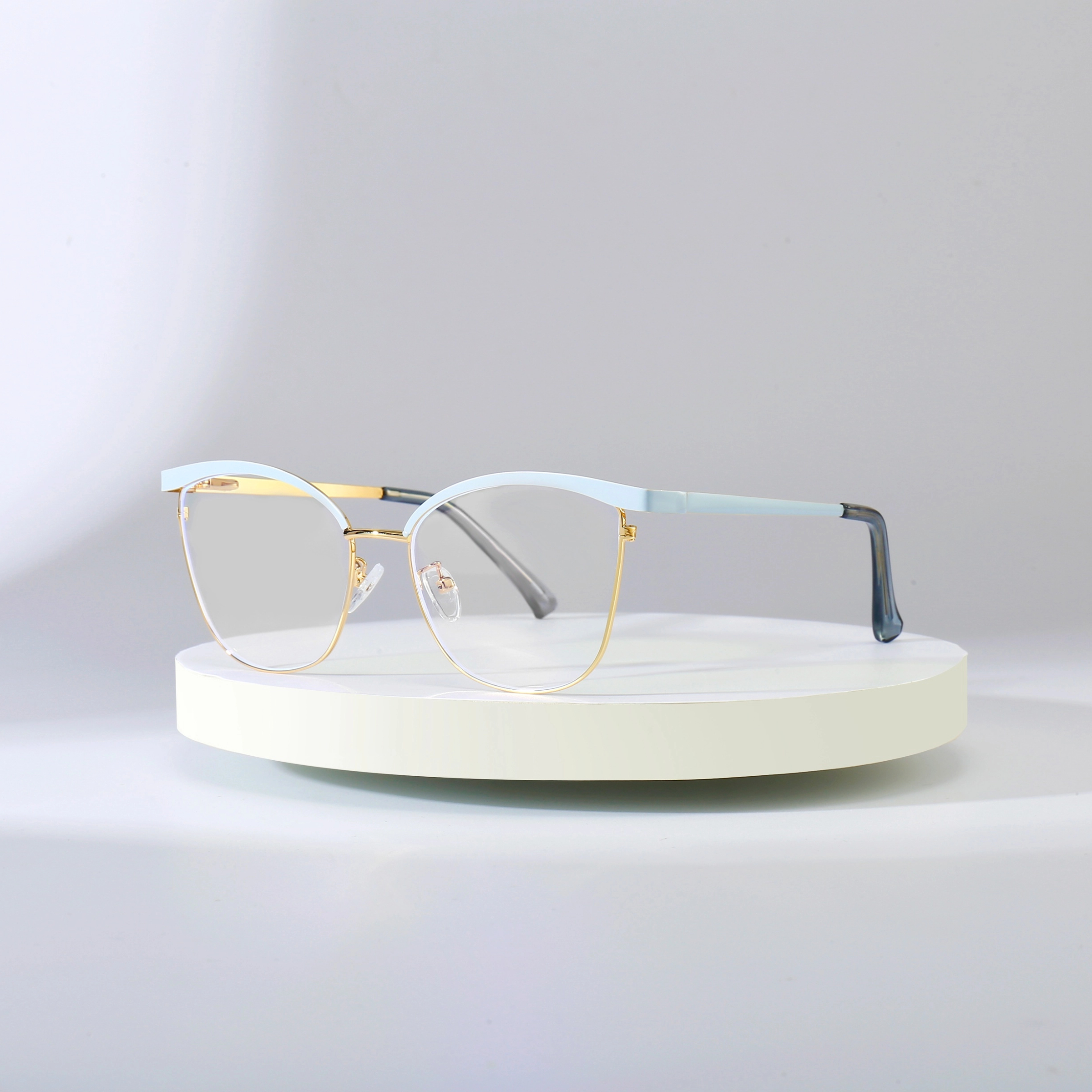
(1) Pantoscopic angle.
The pantoscopic angle refers to the angle between the lens and the vertical direction after the glasses are worn. Generally speaking, an angle less than 5 degrees or greater than 9 degrees is not good. Besides the design of the frame itself, the pantoscopic angle is also related to the height of our ears. For example, if the height of the ears is too low, the pantoscopic angle will become smaller accordingly, and additional fatigue will be generated when we look at nearby objects. If your glasses are not custom-made, ask the optician to adjust this angle for you. Especially for progressive multifocal lenses, this data is particularly important.
(2) Monocular interpupillary distance.
If your nose bridge is not in the middle position, you must measure the monocular interpupillary distance. For example, if your interpupillary distance is 64mm, under normal circumstances, it is 32 + 32. If the nose bridge is not straight, the interpupillary distance may be 33 + 31. If the interpupillary distance is incorrect, it will cause rapid visual fatigue. You will get tired quickly when using your eyes at a close distance, and symptoms such as eye soreness, swelling, and tearing may occur. In severe cases, it may trigger reactions such as migraines and irritability.
(3) Vertex distance.
Differences in the vertex distance directly lead to differences in the corrected degree. Generally speaking, due to different lens powers, for every 1mm that the lens approaches the eyeball, the power is equivalent to an increase of 0.05DS - 0.50DS. This will lead to an increase in the effective power and cause discomfort (dizziness). On the contrary, for every 1mm that the lens moves away from the eyeball, the effective power will also decrease accordingly. So, it is incorrect for the lens to be either too close or too far from the eyeball. A normal standard is 12mm.
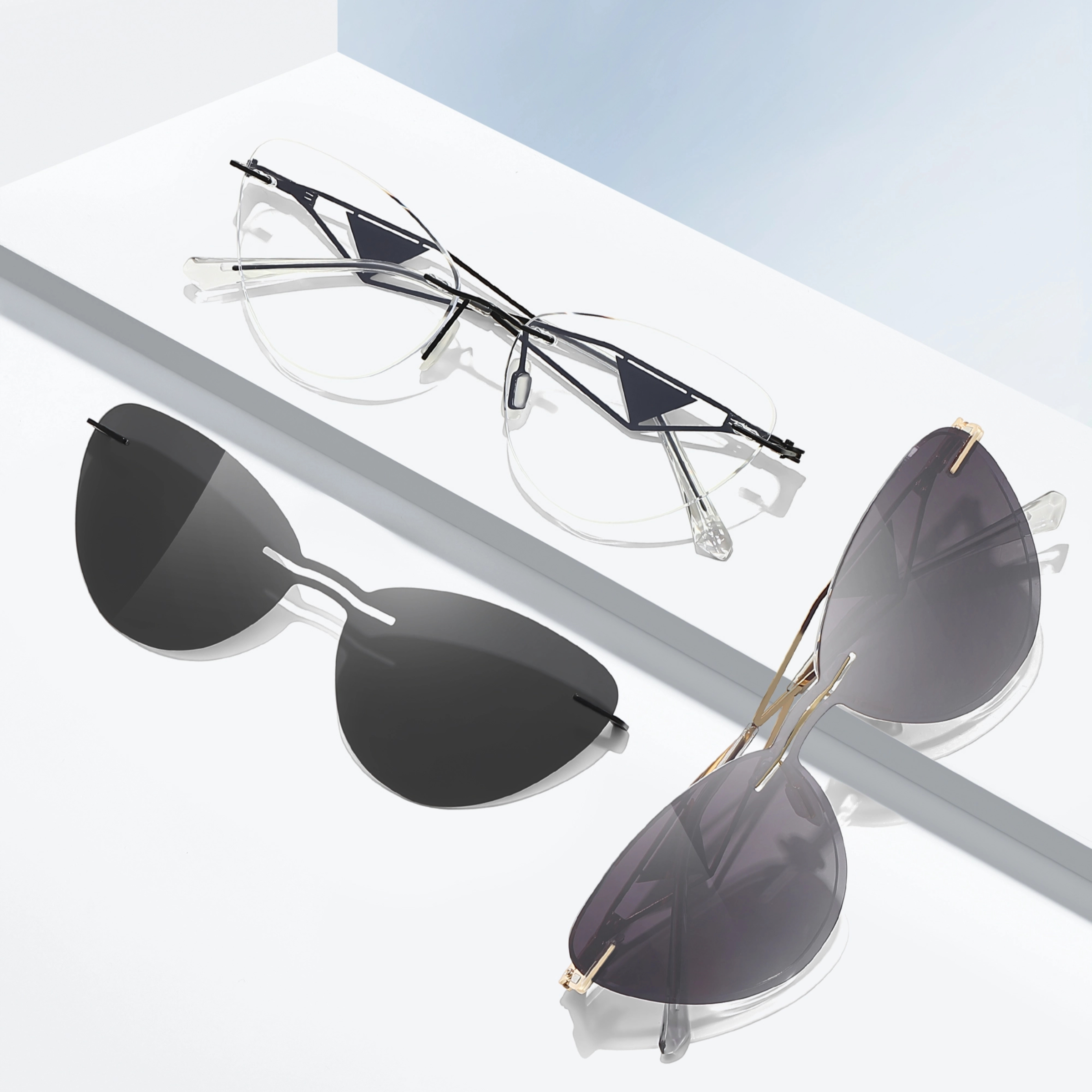
(4) Monocular vertex distance.
Many people haven't noticed this detail, that is, the distance between the lens and the eyeball is different on the left and right sides. This is caused by the fact that the front-to-back distances of many people's left and right ears are different. According to my measurement results, 20% of people will have this phenomenon, and the maximum front-to-back difference can reach 20mm. Adjusting the bending position of the temple and the nose pads can solve this problem.
(5) Temple squeezing the head.
This can cause serious consequences. If your glasses often squeeze your head when you wear them, you must choose glasses with elastic hinges and materials with adjustable curvature. Only in this way can you adjust a comfortable curvature.
If you think what I wrote is good, remember to subscribe to our website! So that you can enjoy the latest discount information.