Recently, Glasses Magic has been frequently consulted about whether to wear blue - light - blocking lenses. Some parents have privately messaged me, saying that their children need to take online classes and they want to buy a pair of blue - light - blocking glasses for their kids to protect their eyes, prevent eye fatigue, and stop their children from getting myopia.
Indeed, in today's 5G era, with artificial intelligence just around the corner, who can live without a mobile phone? Who can live without a computer? And who can live without various display screens? Even Xiaomi, a company mainly known for making mobile phones, is selling Xiaomi blue - light - blocking glasses, specifically targeting those who can't be away from computers and need to look at mobile phone screens. Moreover, people's health awareness has significantly improved. Everyone is extremely afraid of blue light, fearing that long - term exposure to mobile phones will cause irreversible damage to the retina and lead to blindness.
When people wear blue - light - blocking glasses, they feel they have achieved good isolation and protection. It's a bit like during the COVID - 19 pandemic. People feel unsafe if they don't wear a mask when going out, as if they could be infected at any moment.
You should believe that the more popular something is, the more rumors there may be. Due to the involvement of interests, there is a vast amount of information in the market, and it's difficult to distinguish between true and false.
What is Blue Light?
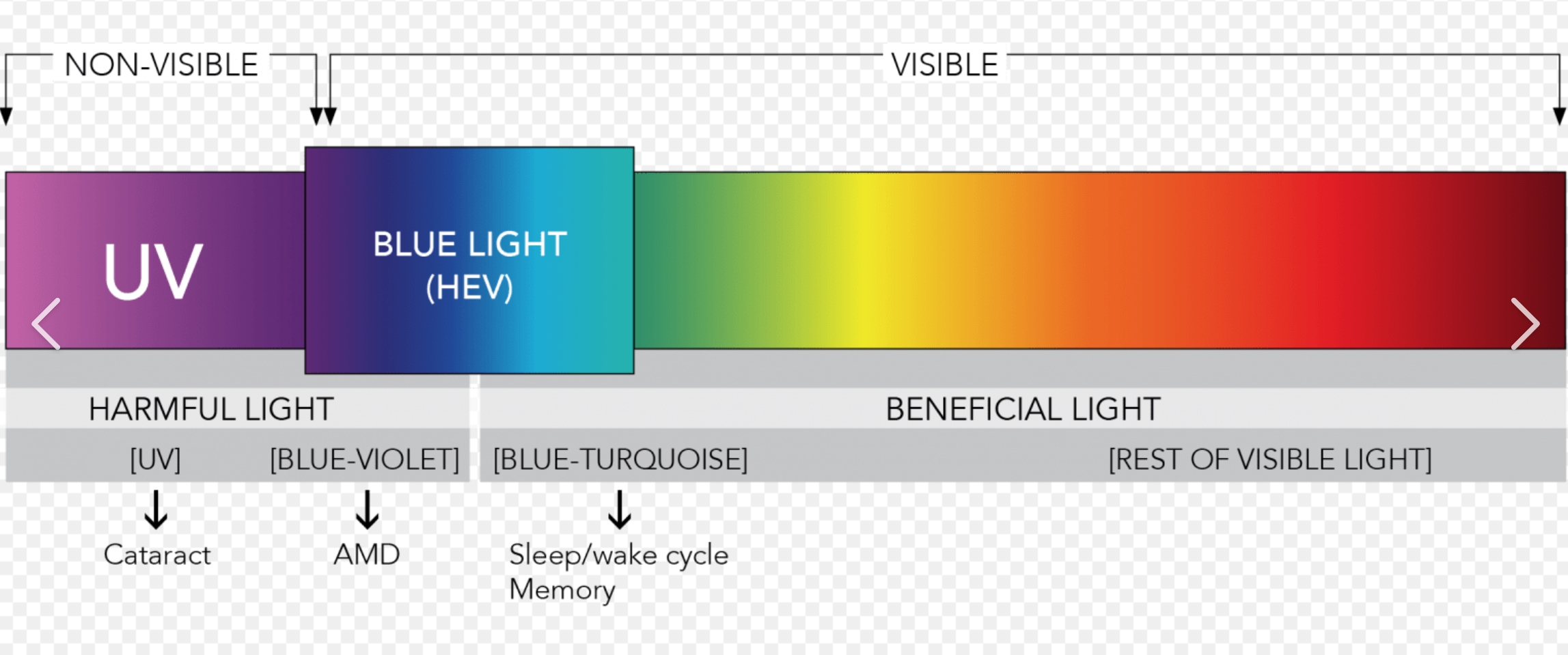
Blue light is a high - energy short - wavelength light with a wavelength between 400nm - 500nm. In some countries, it is defined as 380nm - 500nm. This kind of light is within the visible light range of the human eye (380nm - 780nm) and appears blue to the human eye, thus being called blue light.
Here is a light - wave chart for better understanding:
[If there were a chart, it could be described as: The chart shows the light - wave spectrum, with different wavelengths marked. The area representing blue light is clearly shown within the visible light range, with its wavelength range from 400nm - 500nm (or 380nm - 500nm as per some definitions).]
From the above chart, you can see that blue light is actually a type of visible light, and its wavelength is the shortest within the visible light range (380nm - 780nm). We generally know that the shorter the wavelength of light, the greater its energy, such as some invisible cosmic rays, X - rays, gamma rays, and ultraviolet rays. Blue light is also the visible light with the greatest energy, second only to ultraviolet rays.
Generally speaking, within the range of 400nm - 500nm of blue light, we call the visible light with a shorter wavelength blue - violet light, and the one with a longer wavelength blue - green light. Currently, in written materials or magazines, the shorter - wavelength blue - violet light is often referred to as harmful blue light, and the longer - wavelength blue - green light as beneficial blue light. We will discuss these two types of blue light in detail below.
Where is Blue Light Present?
First of all, blue light is everywhere. It can be roughly divided into natural blue light and artificial blue light, and exists in many forms.
Natural blue light is easy to understand. It exists in sunlight. Wherever there is sunlight, there is blue light within sight.
The other type is artificial blue light. Many of the electronic device screens we usually come into contact with emit blue light. For example, mobile phone screens, liquid - crystal displays, computer monitors, lighting lamps, vehicle lights, bathroom heaters, and various LED light strips. With the increasing number of various display devices nowadays, it can be said that we are surrounded by blue light. Blue light is everywhere, and there is a large amount of blue light in natural sunlight, not just in electronic screens.
What are the Hazards of Blue Light?
When discussing the hazards of blue light, we must clarify that not all blue light is harmful. The harmful blue light mainly focuses on the blue - violet light between 415nm - 455nm, which we call harmful blue light.
The blue light in the wavelength range of 415nm - 455nm, especially the blue light around 440nm, can penetrate the lens and reach the retina. It generates free radicals in the retina, causing the death of retinal pigment epithelial cells (RPE). As a result, the light - sensitive area lacks nutrients, and photosensitive cells die, leading to macular lesions, mainly in the macular area. Moreover, macular lesions are an irreversible process.
The harm described above sounds quite scary, right? But as the saying goes in the medical field, talking about harm without considering the dosage is nonsense. I think the harm to the retina, especially the macular area, described above is theoretical. It doesn't mention how strong the blue - light irradiation is, what the dosage is, or how long the irradiation time is. It only mentions a possible harm.
To make an inappropriate analogy, it's like saying water is harmful. If you keep drinking a large amount of water, it will increase the burden on the kidneys and may lead to kidney failure. Currently, there is insufficient epidemiological research evidence to show that long - term exposure to electronic screens will cause pathological harm to the human eye. However, it is widely recognized that long - term close - range viewing of electronic - screen terminals will cause myopia and eye fatigue.
So, the harm issue mentioned above is probably the "muddiest water" in the current blue - light - blocking field. Everyone is talking about theoretical and possible harm, and there is a lack of epidemiological research and experiments. But it is undeniable that blue light, especially short - wavelength blue light, is unfriendly to the human eye. We should pay attention to protection, but there is no need to be overly worried or nervous.
With the increase in online classes, many parents are buying blue - light - blocking glasses for their children.
Is Blue Light Really as Evil as Propagated?
Nowadays, blue - light - blocking lenses are sold everywhere on major online shopping platforms, as if we have entered an era of nation - wide blue - light prevention. In fact, blue light is not as bad as people think. Personally, I believe that its harm has been exaggerated in this profit - driven era, and some claims are even fabricated out of thin air.
As mentioned above, blue light refers to visible light with a wavelength of 400 - 500nm. The blue light that may cause harm to the human eye is the blue light with a wavelength of 415nm - 455nm, which we call harmful blue light. It is unscientific to say that the entire concept of blue light is "extremely harmful" light. And you should believe that the human eye has evolved to be able to recognize visible light with a wavelength of 380 - 780nm for an evolutionary reason.
Each type of light has its scientific significance. Some studies have pointed out that blue light with a wavelength of 455nm - 500nm is beneficial to the human body. It can regulate the biological rhythm, mood, memory, generate scotopic vision, affect refractive development, and promote alertness and excitement. If the entire blue - light range of 380 - 500nm is completely blocked, it will have a negative impact on human health.
The blue light in natural light can regulate the human body's biological clock. In the sunlight we see, 25% - 30% is blue light, which is more than you might think. Blue light can stimulate the production of cortisol and inhibit the secretion of melatonin, so we can stay awake and excited during the day. At night, without the stimulation of blue light, the brain secretes melatonin, making people drowsy and ready to sleep. If you are exposed to too much blue light before going to bed, it will inhibit the secretion of melatonin, leading to insomnia. So, there is scientific evidence that looking at mobile phones too much before going to bed, due to the blue light emitted by the phone, will affect our sleep.
In addition, animal experiments and human studies have shown that sun exposure helps prevent myopia and reduce the incidence of myopia. The blue light with a short wavelength in the light may play a role here.
So, for blue light, we can't just try to block it completely. Blue light has both disadvantages and advantages. It depends on the context, and we can't deny it completely.
However, currently, no lens manufacturer on the market can completely block harmful blue light while making the transmittance of beneficial blue light reach 100%. But several large manufacturers can block most of the harmful blue light and retain more beneficial blue light. I believe that in the future, the targeted blocking of harmful blue light will get better and better, and I'm optimistic about this.
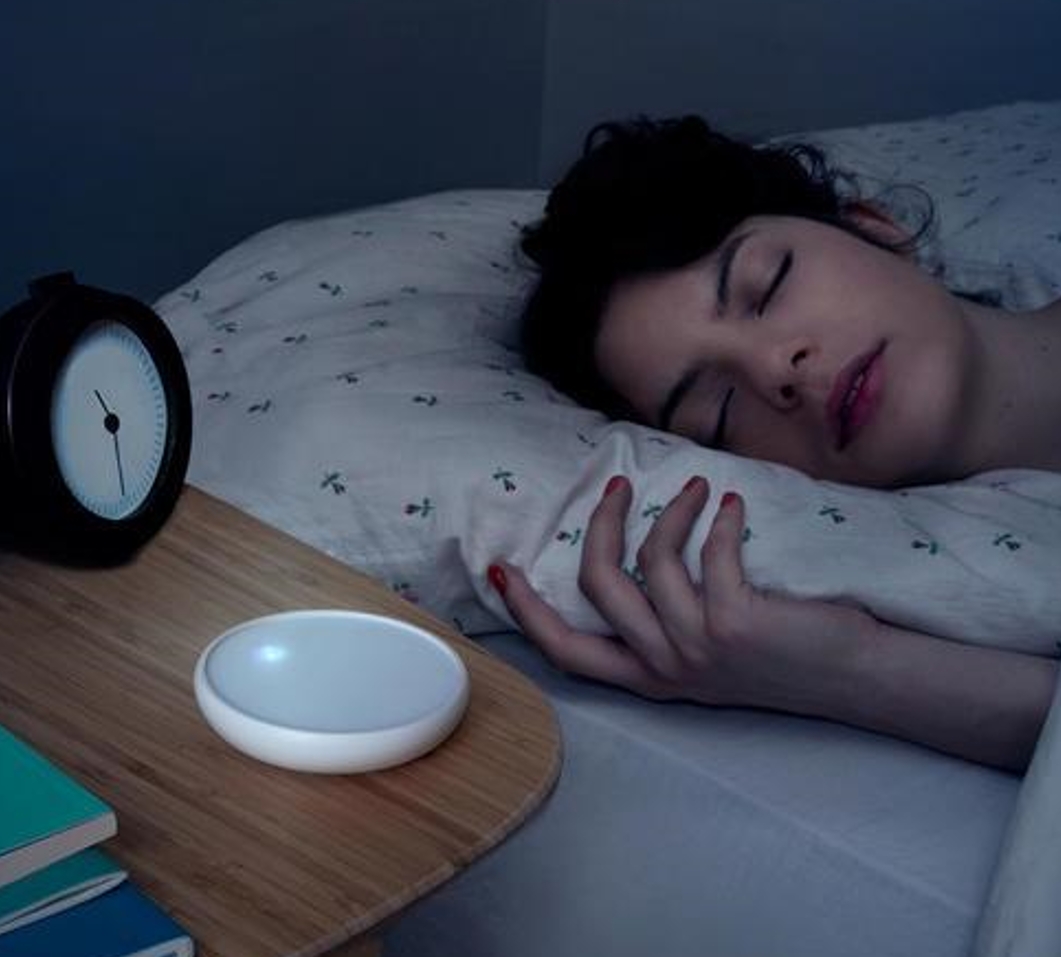
Blue light plays an important role in maintaining the human body's biological clock.
Why is Everyone Promoting Blue - light Blocking?
One of the factors is commercial promotion. The lens industry is a traditional industry, and in terms of products, there are still few revolutionary products. For example, the progressive lenses that are still on the market are a product from a hundred years ago. Nowadays, people's eye - using environment is related to electronic products, so it's not surprising that products related to electronic products have emerged. New products can bring higher profits to manufacturers and make it easier for retail terminals to promote products.
Secondly, people are paying more attention to their health. With a fast - paced life and longer working hours, the demand for eye - using has increased sharply, and people are more concerned about eye health. In fact, this concern is a potential demand in the eyewear market. As the blue - light - blocking glasses are most related to electronic LED screens, they naturally receive the most attention from people and the market, becoming the new favorite among electronic peripheral products.
On major online platforms, blue - light - blocking has been hyped up as a magic weapon, and different promotion methods are used for different age groups. If a person without any industry information and unable to distinguish between true and false information reads these, they will potentially feel invisible pressure. It seems that everyone is wearing blue - light - blocking glasses, and the harm of blue light is described as so terrifying. So, they would rather believe it than not, resulting in an increasing demand for blue - light - blocking glasses.
Currently, many blue - light - blocking glasses are bought by parents for their children. Because the biggest problem faced by students now is myopia. Every parent has a strong sense of anxiety. At this time, a pair of plano blue - light - blocking glasses, combined with the unlimited exaggeration of publicity on the Internet, becomes the best placebo in the parents' minds. Buying a pair at least proves that they have tried to solve the problem of their children looking at mobile phones. Parents can't solve the problem of children's mobile - phone addiction, but they are afraid that their children will become nearsighted. Blue - light - blocking glasses have successfully addressed this pain point, whether they are actually useful or not is secondary.
We should be vigilant against these exaggerated publicity effects.
I think blue - light - blocking lenses are almost being "deified" and described as an all - purpose lens. In fact, much of the publicity is to achieve commercial goals and overly exaggerates the efficacy of blue - light blocking. For example, the two types of blue - light - blocking glasses sold on Taobao mentioned above.
For people who use computers or electronic display devices for a long time, blue - light - blocking lenses can indeed effectively block some of the harmful blue light from harming the eyes, making the light softer and allowing the eyes to be more comfortable when working in front of the display screen. However, there is no clinical data to prove that they can effectively improve symptoms such as eye soreness, dry eyes, vision loss, and fundus lesions. Nor do they have the effect of preventing myopia.
Under normal circumstances of using electronic - product terminals, as long as you don't look at the computer or mobile phone for more than four or five hours continuously every day, the general blue light will not cause harm to the human eye. Research has found that the human eye has its own light - protection mechanism, which can offset the damage of blue light to the retina. These mechanisms include pupil constriction, squinting, lutein in the macula, antioxidants in the retina, and the enzyme - repair mechanism.
When the human eye's protection mechanism is sound and the use of electronic products is not excessive (in fact, the blue light emitted by electronic products is very weak, only a few hundredth of natural light), blue light poses no threat to the human eye. Therefore, those platforms or manufacturers that claim that blue light can cause the death of retinal cells, lead to macular degeneration, and other serious organic damage to the fundus are mostly selling anxiety and a sense of insecurity.
There is also no research indicating that blue - light - blocking glasses can relieve blurred near - vision, prevent cataracts, or prevent blindness.
Some promotional platforms or articles are even more exaggerated, saying that long - term exposure to blue light can seriously damage eyesight, trigger macular lesions, and may cause symptoms such as red eyes, dry eyes, eye discomfort, blurred vision, visual fatigue, headaches, back pain, shoulder pain, and neck pain. Blue - light blocking also does not have the effects of promoting blood circulation, treating headaches, or relieving neck and shoulder pain. In a certain magazine, it was said that without blue - light protection, it would affect girls' sleep, cause insomnia, and then affect girls' hormonal levels, leading to irregular menstruation. Personally, I think these baseless and exaggerated, even "scary" promotions are both anxiety - inducing and ridiculous.
We hope everyone can view blue - light - blocking lenses objectively and scientifically. They can't solve all eye problems and don't have special therapeutic functions.
Is it Necessary for Teenagers and Children to Wear Blue - light - blocking Lenses?
I think that except when the eye's self - light - protection system has problems or when children look at computers or mobile phones continuously for several hours, children don't need to wear blue - light - blocking glasses. The myopia and eye - fatigue problems of children and teenagers are mainly caused by the distance and time of near - vision, and have no direct relation to blue light.
To solve the problems of near - vision fatigue and myopia, usually control the near - vision distance and time, and take breaks to look into the distance. If possible, you can specifically prepare a pair of glasses with a prescription for near - vision according to the eye parameters to relieve accommodation tension. There is no need to buy a pair of blue - light - blocking glasses.
For many parents who hope that blue - light - blocking glasses can prevent myopia, it's good that you have this intention, but there's really no need to waste money for a psychological comfort. Instead of that, it's better to let your children go outdoors for activities.
The prevention of myopia through outdoor natural - light exposure is much more effective than wearing blue - light - blocking glasses at home while looking at mobile phones. This has been clinically tested and is also a method unanimously recognized by professionals in the industry. It's that simple - increase outdoor natural - light exposure, which costs nothing.

Outdoor natural - light exposure is the most economical way to prevent myopia.
Who Needs Blue - light - blocking Lenses?
Although the blue light emitted by computers and mobile phones is less than that in natural light, for those who work in front of computers every day and look at mobile phones for a long time, I think they can wear blue - light - blocking lenses. On the one hand, it can filter out excess blue light, and on the other hand, it can reduce the brightness of the display screen, making it less dazzling. For people with some eye diseases, such as macular degeneration, hemorrhage, diabetic retinopathy, eye fatigue, and those who have had eye surgery, they should pay more attention to eye protection compared to ordinary people. Especially when there is a macular disease, wearing blue - light - blocking lenses is very necessary.
Some Personal Suggestions on Fitting Blue - light - blocking Lenses
-
People with high requirements for color are not recommended to wear blue - light - blocking lenses. Because blue - light - blocking lenses block part of the blue light in white light, and blue light belongs to cold light, so the light entering the eyes will be warmer in color. People engaged in painting, color - related design, and those sensitive to color are not recommended to wear blue - light - blocking lenses.
-
I personally think that blue - light - blocking glasses are a good choice as a second pair of glasses. You can wear them when working in front of a computer, not as daily - wear glasses. Moreover, you can add a near - vision addition on the basis of blue - light blocking. This can not only reduce the light from the display but also relieve the eye's accommodation. Of course, when choosing this type of lens, it's best to let the optometrist check whether you are suitable for progressive lenses with a near - vision addition.
-
If you only want to buy one pair of glasses to wear every day and need the blue - light - blocking function, I suggest not to be penny - wise. Be sure to buy from big manufacturers. Because the transmittance ratio of blue - light - blocking lenses from big manufacturers is relatively high. For people who are not very sensitive, they can't detect the difference in light transmittance, and it's acceptable for daily wear.
-
For general mobile - phone users, as long as they use mobile phones from qualified manufacturers, I don't think it's necessary to use blue - light - blocking lenses. For heavy users of mobile phones and computers, I think they can buy a separate pair of blue - light - blocking glasses for office use and wear non - blue - light - blocking glasses at other times.
-
However, if due to budget limitations, you can only buy one pair of blue - light - blocking glasses, I think you can choose lenses that block part of the blue light. These lenses can retain part of the blue - light - blocking function, are not very yellow, have relatively good light transmittance, and have less impact on normal glasses - wearing.
-
If the blue - light - blocking lenses are very yellow and have a significant decrease in light transmittance, I suggest not wearing them.
If you think what I wrote is good, remember to subscribe to our website! So that you can enjoy the latest discount information.